
Jewellery design is an art form that weaves together creativity, craftsmanship, and personal expression. From the spark of an idea to the final masterpiece, the design process in jewellery making is as intricate as the pieces themselves. In this blog, we will explore the journey from initial inspiration to the finished design, highlighting the key stages that transform raw concepts into wearable art.
Finding inspiration: The Spark of Creativity
Every piece of jewellery begins with a seed of inspiration. This can stem from a myriad of sources like nature’s beauty, historical art movements, personal experiences, or even the materials themselves. For designers, inspiration is often an unpredictable muse, emerging from the most unexpected places.
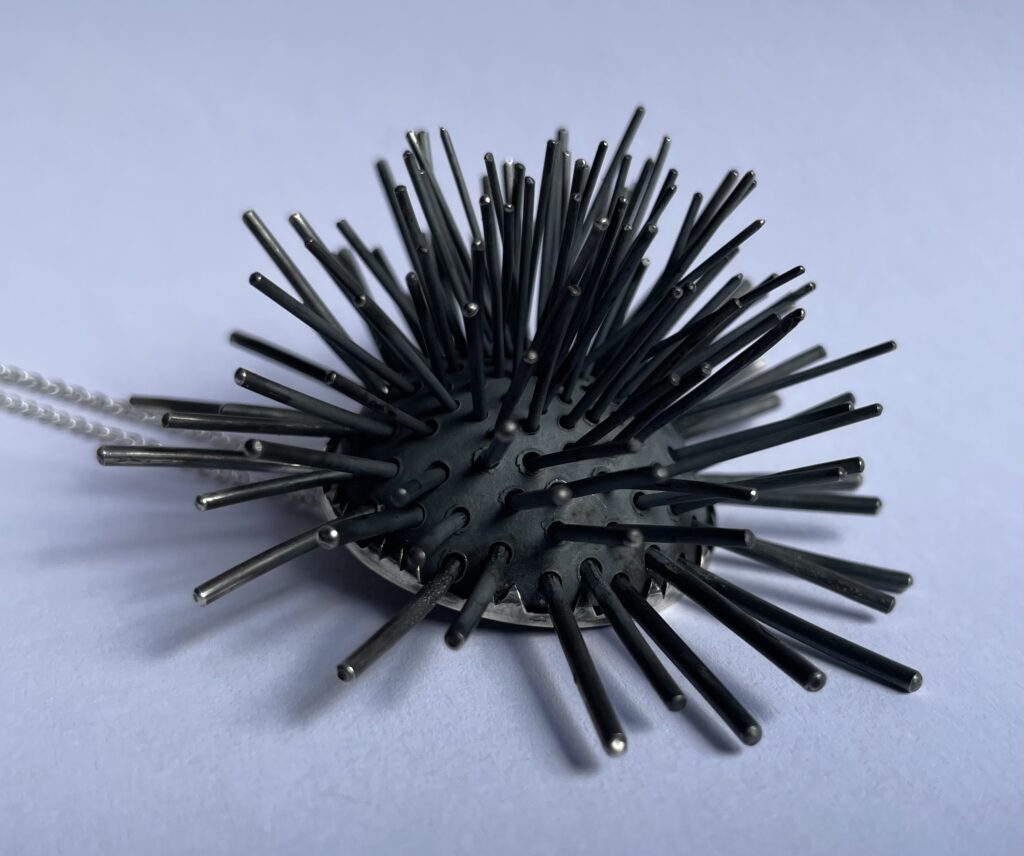
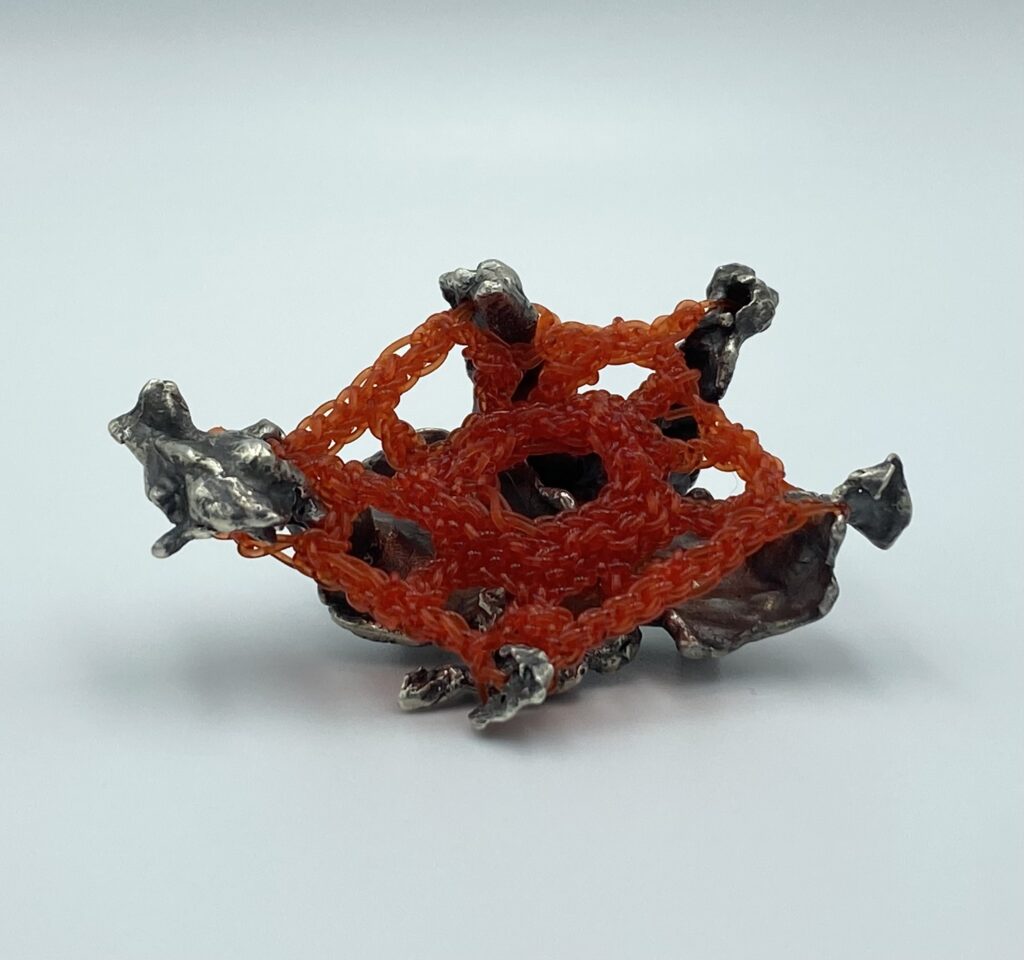
Let me take you on a journey through two of my favorite designs: The Conglomeration of Coral and The Sea Urchin. Each piece is a unique reflection of my passion for the ocean, but their inspiration comes from two very different places. The Conglomeration of Coral was born from the delicate tension of nylon string and the organic shapes created by my melted silver. It’s a piece that speaks to the texture and flow of the materials themselves, with its oceanic connection unfolding only after its creation. On the other hand, The Sea Urchin draws directly from nature, capturing the intricate and mesmerizing forms of a sea urchin. Both designs are a part of my ocean-inspired collection, yet one emerges from the materials and the other from the natural world, together celebrating the beauty and mystery of the sea.
Conceptualizing the Design: Sketching the Vision
Once the initial idea is formed, the next step is to translate this inspiration into a conceptual design. Jewellery designers typically start by sketching their ideas by hand or using digital tools like CAD (Computer-Aided Design) software. These sketches allow designers to experiment with various shapes, proportions, and design elements before committing to a final concept.The conceptual stage is where creativity truly comes to life, as designers push the boundaries of their imagination. For The Sea Urchin, my journey began with studying real sea urchins, their intricate forms inspiring the basic shape of the piece. From there, I had to translate these natural elements into a design, focusing on the technical aspects that would bring it to life. The Conglomeration of Coral took a distinct and fascinating route in its creation. Its conceptual drawings were inspired by the delicate, intertwining patterns of spiderwebs. To bring this vision to life, I began by sketching the unique shapes of the webs that captured my imagination. From there, I translated those intricate patterns into crochet designs, carefully mapping out the specific stitches needed to capture their delicate texture and complexity. This stage of conceptualization is key to building a deep connection with the piece, ensuring that each design is not only visually captivating but also thoughtfully crafted.
Choosing Materials: Crafting the Foundations
Material selection is an essential part of the design process. Whether it's gold, silver, diamonds, or unconventional materials like wood or resin, the choice of materials greatly impacts the final aesthetic and feel of the piece.
Designers often look for materials that complement their vision. For instance, if a piece is inspired by natural elements, the designer might select rough-cut gemstones or organic textures. On the other hand, a minimalist design may require polished metals and clean, simple lines.
Many contemporary jewellers are now considering ethical sourcing and eco-friendly materials, reflecting the growing demand for sustainability in the industry. By choosing responsibly sourced diamonds or recycled metals, designers can marry aesthetics with ethical values, creating pieces that have both beauty and meaning.
Crafting the Prototype: Bringing the Design to Life
Once the design is finalized and the materials are chosen, the next exciting step is bringing the vision to life through a prototype. This phase is all about transforming the concept into a tangible piece, often with the help of skilled artisans who work their magic to turn drawings into reality. Depending on the complexity, this can be done by hand, or, for more intricate designs, through advanced techniques like 3D printing or casting.
For The Sea Urchin, with its intricate construction, creating a prototype was crucial to ensure that all the pieces would fit together seamlessly. This phase is a dynamic one, where the design begins to evolve. It’s not uncommon for adjustments to be made as the piece takes shape, with designers often refining proportions or altering the way components are assembled based on how they look or feel in three dimensions. For The Sea Urchin, I had to tweak the sizes of several components and rethink how to best attach them to bring the design to life in the way I envisioned. It’s a process of continuous discovery, where each adjustment brings the piece closer to perfection.
Refining the Final Design: Perfecting the Piece
Once the prototype is complete, the final design enters a phase of meticulous refinement. This is where the magic happens — where the piece is polished, stones are carefully set, and every detail is perfected. This stage is essential, ensuring that the jewellery is not only visually stunning but also comfortable and functional. For high-end jewellery, it often involves hand-finishing techniques, where artisans devote time and precision to refining every surface, smoothing edges, and creating the perfect sheen.
For both The Sea Urchin and The Conglomeration of Coral, I used oxidizing liquid to treat the silver, knowing that this would add depth and contrast, making the pieces even more striking. It’s these finishing touches that truly elevate a design, transforming it from beautiful to extraordinary.
The Finished Piece: A Masterpiece
The final design is the culmination of all the hard work and creativity that has gone into the process. Once completed, the piece is often reviewed and tested for wearability and durability. Afterward, it’s ready for its debut — whether in a gallery, a jewellery boutique, or a personal collection. The finished piece is more than just jewellery; it’s a tangible representation of the designer’s vision, skill, and the journey from inspiration to creation.
The journey from inspiration to creation in jewellery design is a captivating process that combines artistry, technique, and innovation. Every piece of jewellery tells a unique story, shaped by the vision of the designer and the materials used to bring it to life. Whether drawing inspiration from nature, art, or personal experiences, jewellery designers take their time to ensure that each piece is both beautiful and meaningful.