
Many people confuse the terms carat, karat, and carats when shopping for jewellery, but they each have very different meanings. Because the words sound similar, it is easy to mix them up, especially when buying engagement rings, gold chains, or diamond jewellery for the first time.
Understanding these terms can help you compare jewellery more confidently, understand pricing, and choose pieces that suit your style and budget. Whether you are shopping online or in a store, knowing the difference between gemstone weight and gold purity is an important part of making informed jewellery purchases.
What Is a Carat?
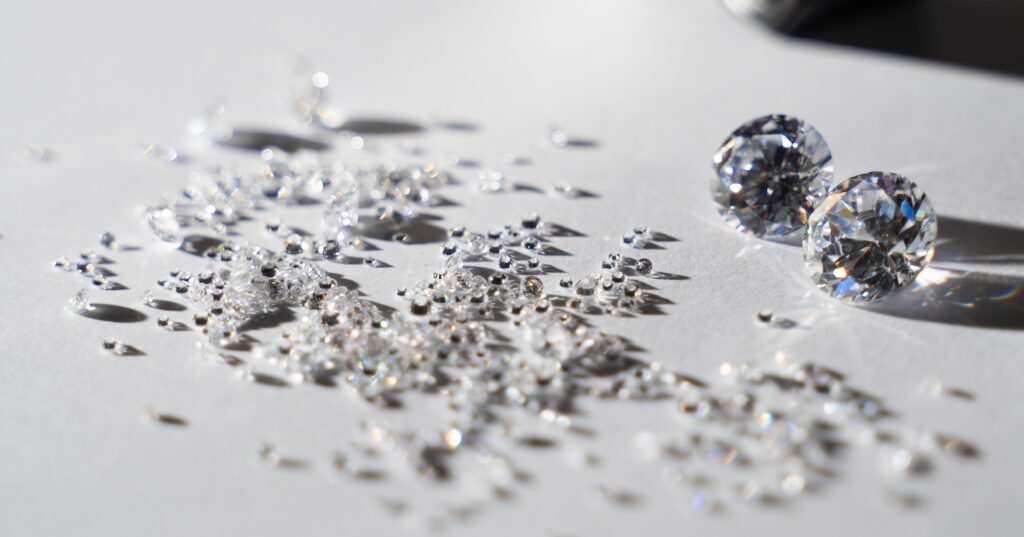
A carat is a unit of measurement used to describe the weight of gemstones and diamonds. One carat equals 200 milligrams, or 0.2 grams. Jewellers use carats to measure diamonds, sapphires, rubies, emeralds, and many other precious stones.
Larger gemstones usually have a higher carat weight, but carat size does not automatically determine quality. Two diamonds with the same carat weight can look very different depending on their cut, shape, and proportions.
For example, a well cut one carat diamond may appear larger and more brilliant than a poorly cut diamond of the same weight. Carat weight is only one part of a gemstone’s value alongside colour, clarity, and cut quality.
What Is Karat?
Karat, spelled with a “K,” measures the purity of gold. Pure gold is very soft, so it is commonly mixed with other metals like silver, copper, or zinc to improve durability and strength.
Common gold purities include:
- 9K gold – Contains 37.5% pure gold
- 14K gold – Contains 58.5% pure gold
- 18K gold – Contains 75% pure gold
- 24K gold – Contains 99.9% pure gold
Higher karat gold contains more pure gold, which often gives it a richer yellow colour and higher value. However, lower karat gold can sometimes be more durable for everyday wear because of the added alloy metals.
For example, 18K gold is popular for luxury fine jewellery, while 14K gold is often chosen for engagement rings and daily-wear pieces due to its balance of beauty and durability.
What Does “Carats” Mean?
The word carats is simply the plural form of carat. If a jeweller refers to “two carats,” they are talking about the combined or individual weight of gemstones.
You may hear phrases such as:
- “A two carat diamond ring”
- “Diamond earrings totalling one carat”
- “A three carat sapphire”
The term does not change meaning, it still refers only to gemstone weight.
Why Understanding These Terms Matters
Knowing the difference between carat and karat helps you better understand jewellery pricing and product descriptions. A customer shopping for a “2 carat ring” may be referring to the size of the diamond, while “18K gold” describes the metal used in the ring itself.
Because both gemstone weight and gold purity affect price, confusing these terms can lead to misunderstandings when comparing jewellery pieces. Learning the terminology also helps you communicate more clearly with jewellers and make more confident purchasing decisions.
Carat Weight vs Visual Size
Many people assume that higher carat weight always means a larger-looking gemstone, but this is not always true. Different gemstone shapes carry their weight differently. For example, oval and pear-shaped diamonds can appear larger than round diamonds of the same carat weight because of their elongated shape.
Settings and band styles can also affect how large a gemstone appears when worn. Halo settings, thinner bands, and carefully designed mounts can make diamonds look bigger without increasing carat weight.
Choosing Jewellery Based on Purity and Weight
When selecting jewellery, it is important to balance appearance, durability, and budget. Higher karat gold offers greater purity and value, while lower karat options may better suit active lifestyles or everyday wear.
Similarly, larger carat gemstones may attract attention, but cut quality and craftsmanship often have an even greater impact on overall beauty and sparkle.
Carat relates to gemstone weight, while karat refers to gold purity. Understanding these jewellery terms makes shopping for fine jewellery much easier and helps you choose pieces with confidence and clarity.